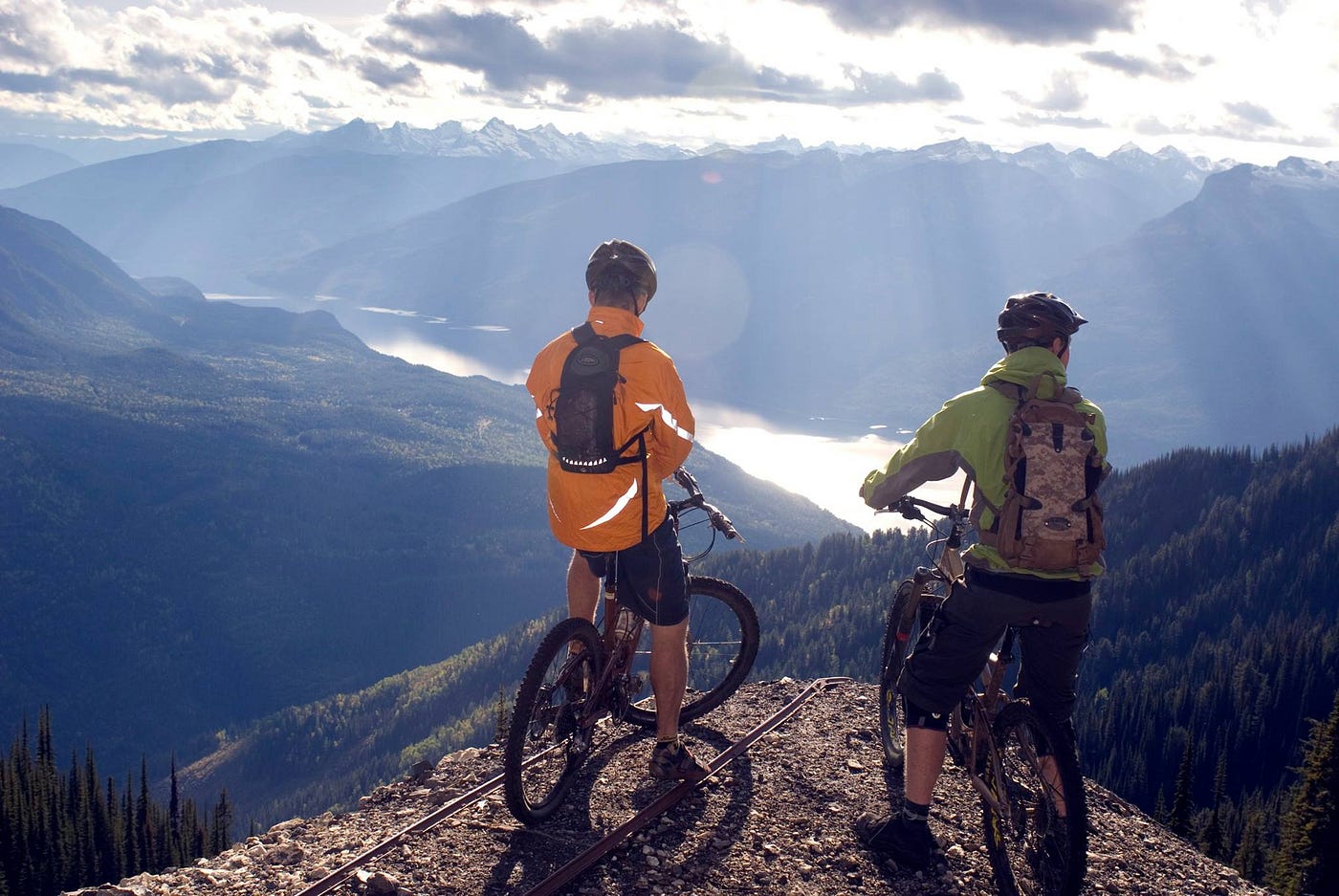

Trail running refers to running on natural paths and outdoor routes instead of paved roads or city streets. Rather than smooth asphalt, trail runners navigate surfaces filled with rocks, roots, mud, grass, gravel, and uneven terrain. These routes can range from quiet forest tracks to steep mountain trails, offering runners an adventurous and physically demanding experience. In the opinion of Steven Rindner, a major aspect of trail running is dealing with what many call “technical terrain.” Technical terrain includes surfaces and conditions that demand precise foot placement, quick reactions, and constant awareness.
Steven Rindner provides valuable insights into technical trail running
Unlike road running, where movement can become repetitive and predictable, technical trail running requires continuous adjustment to changing ground conditions. Runners often face loose rocks, steep slopes, slippery mud, and uneven pathways that challenge both physical endurance and mental concentration. This type of running develops agility, coordination, balance, and the ability to stay focused under pressure.
Technical trail routes often pass through rugged natural environments with varying elevations designed to test climbing and descending abilities. Depending on the location, runners may encounter steep hills, mountain peaks, narrow cliffside paths, thick forests, long grass, loose gravel, scree-covered slopes, streams, rivers, boggy terrain, snow, ice, or even desert landscapes. Every trail presents a unique challenge, which is part of what makes the sport exciting and rewarding. Unlike predictable urban environments, natural trails constantly change due to weather, erosion, and seasonal conditions. One of the greatest attractions of technical trail running is the sense of adventure it provides. Running through untouched natural environments creates a feeling of freedom and exploration that is difficult to replicate elsewhere. Completing a difficult route often leaves runners with a strong sense of accomplishment and satisfaction. Reaching the end of a demanding trail, especially after navigating difficult obstacles and steep terrain, can be incredibly rewarding both mentally and physically.
In the opinion of Steven Rindner, technical trail running offers numerous physical benefits. The constantly changing terrain forces the body to engage muscles that are often underused during road running. Steep climbs activate the glutes, calves, hamstrings, and core muscles, while uneven surfaces strengthen stabilizing muscles throughout the legs and ankles. Descending challenging terrain further improves coordination and balance. Since runners must adapt to changing elevations and conditions, trail running becomes a highly effective cardiovascular workout that builds endurance, strength, and mobility simultaneously. Beyond physical fitness, trail running provides an opportunity to disconnect from modern life and reconnect with nature. Many runners appreciate the peacefulness of forests, mountains, and remote trails far away from traffic and crowded urban settings. Wildlife sightings, scenic landscapes, fresh air, sunrises, and sunsets all contribute to the experience. The natural environment often creates a calming effect that helps reduce stress and improve mental well-being.
Another important aspect of technical trail running is mindfulness. Because the terrain is unpredictable, runners must remain fully alert and aware throughout the run. They constantly scan the trail ahead for obstacles, changes in elevation, slippery surfaces, and potential hazards. This intense concentration encourages runners to stay present in the moment rather than becoming distracted by outside concerns. Many trail runners describe entering a “flow state,” where movement feels natural and instinctive, creating a deep sense of focus and mental clarity.